Where art, culture, and community meet.

ABOUT HISTORIC CLAYBORN tEMPLE
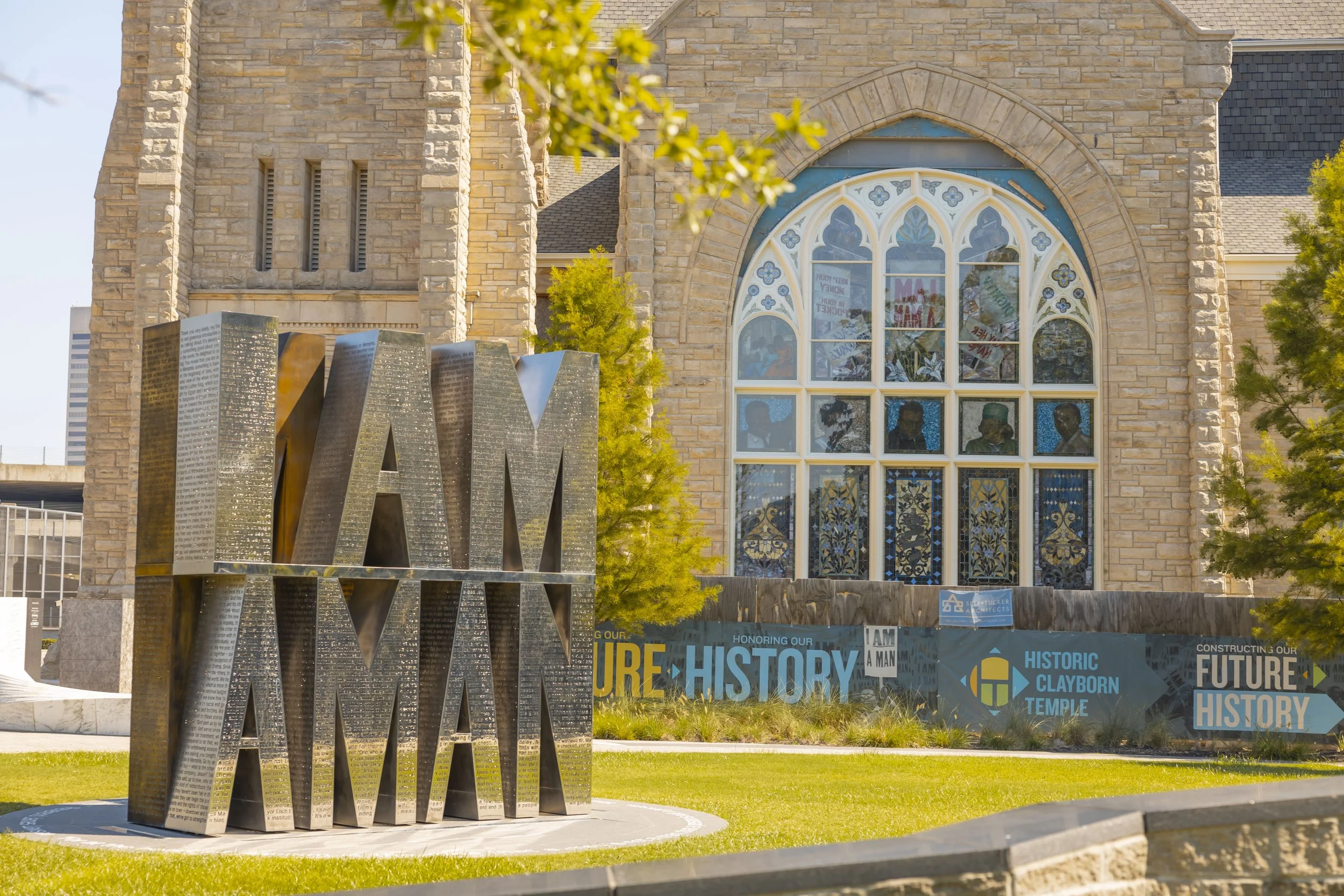
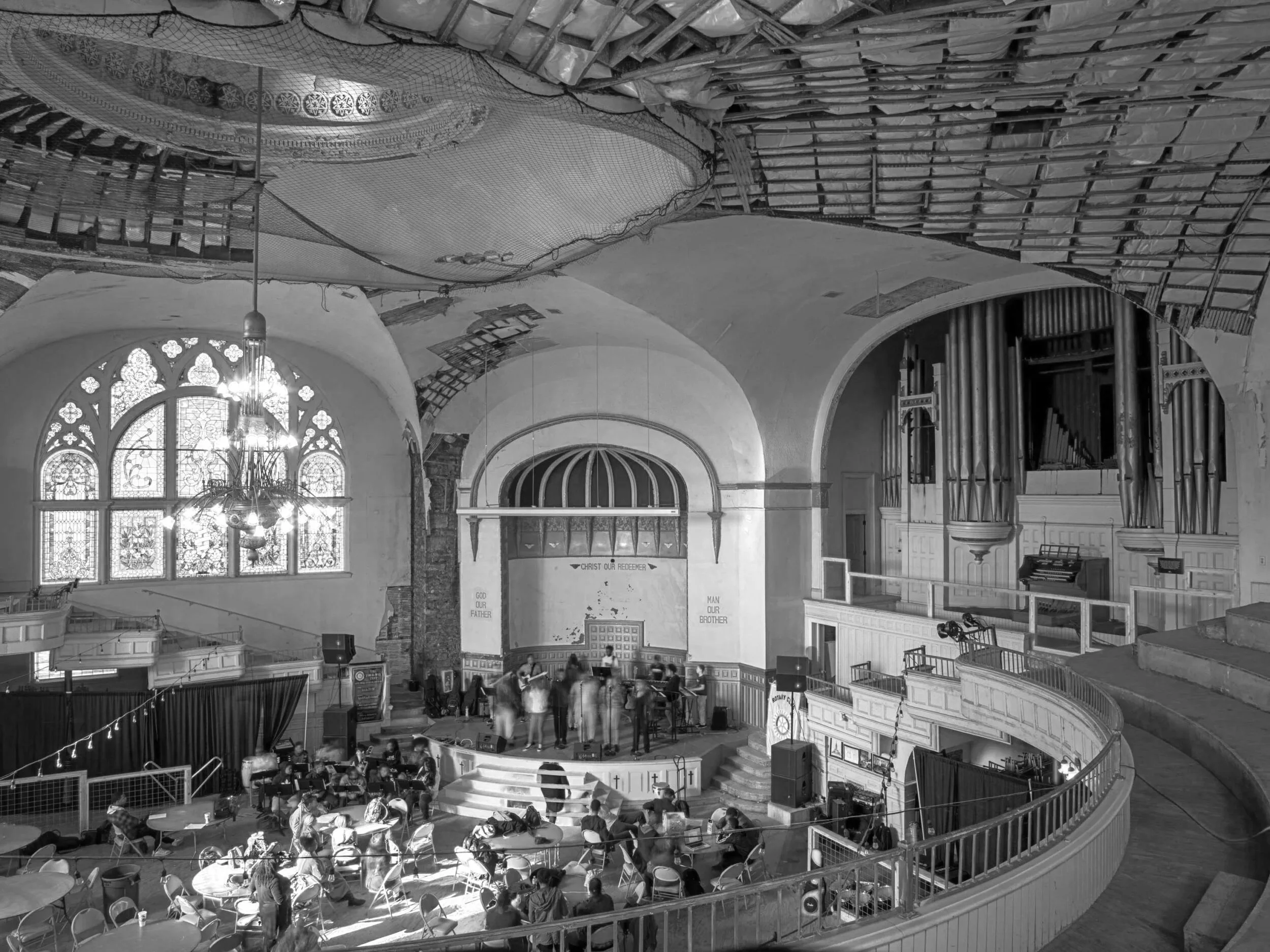
For over 130 years, Historic Clayborn Temple has stood as a living symbol of strength, dignity, and hope in Memphis. Built in 1892 and forever etched into history as the headquarters of the 1968 Sanitation Workers’ Strike, Clayborn Temple has always been a gathering place where faith, culture, and the pursuit of opportunity come together.
Today, Memphis’ National Treasure is being reimagined after a devastating act of arson in April 2025. With the help of our Memphis community, The Big We is leading this rebuilding and reimagining, ensuring that Clayborn rises again not only as a monument of our past, but as a spark for Memphis’ cultural future.
ABOUT US
Our Mission
Historic Clayborn Temple is dedicated to shaping the future of Memphis and The South by turning culture, creativity, and storytelling into engines of connection, culture, and economic growth.
OUR VISION
Our vision is for Historic Clayborn Temple to be a vibrant hub in Memphis where history breathes, art thrives, and people unite across differences to build a future that is creative, collaborative, and full of possibilities.
ABOUT THE BIG WE
The Big We is a social enterprise building resources and infrastructure for the cultural economy. We do this through creative placemaking, social entrepreneurship, and storytelling. Click here to find out more about The Big We.
THIS IS WHERE HISTORY AND HOPE BREATHE TOGETHER.
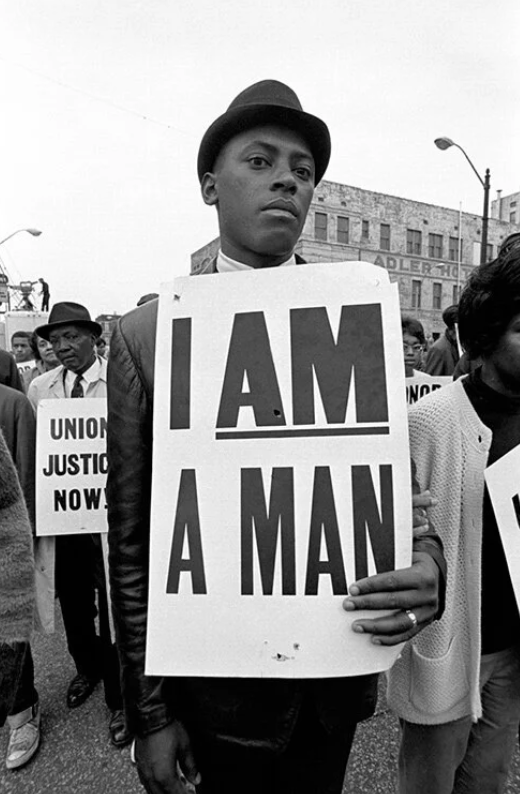
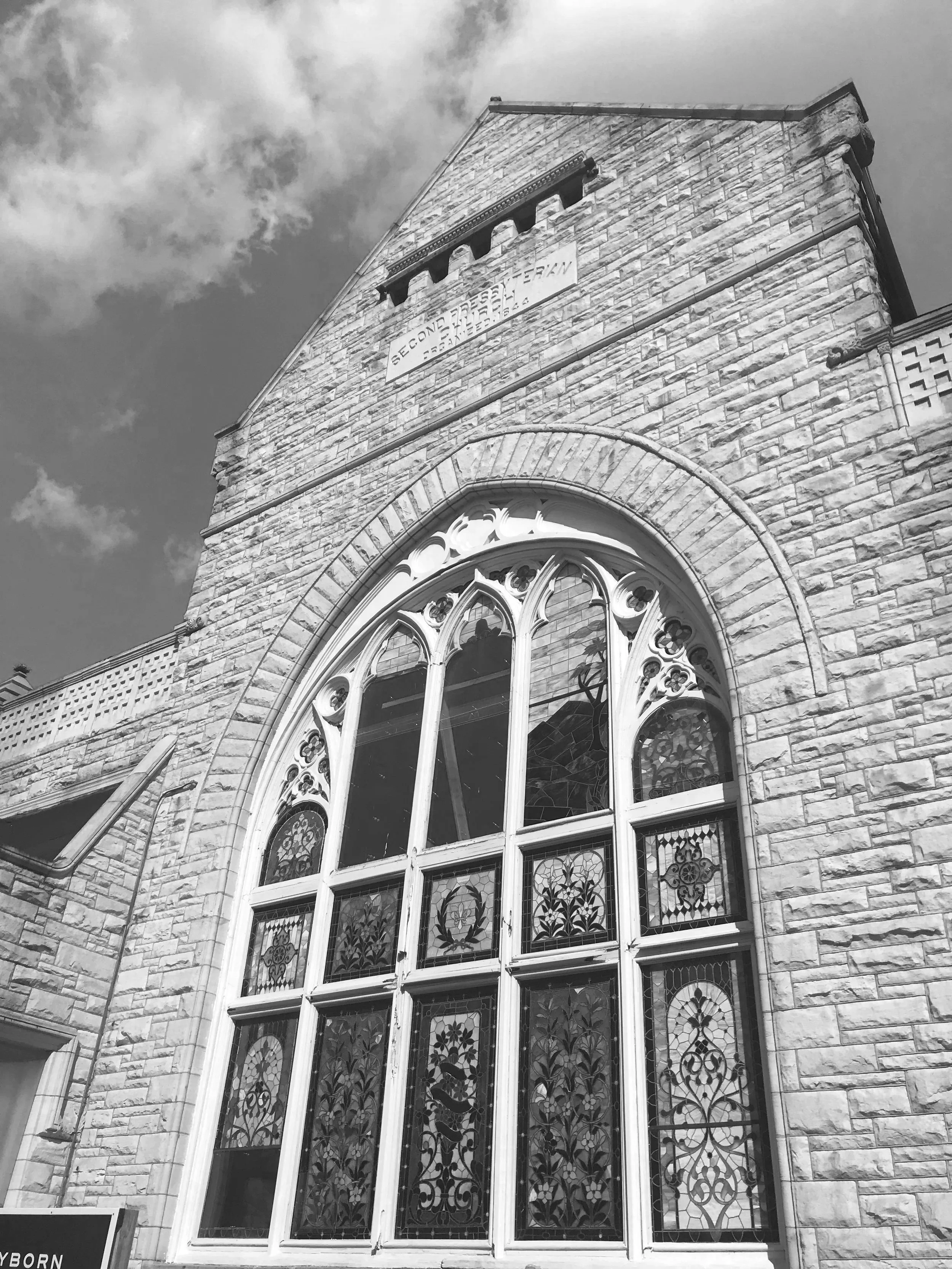
Historic Clayborn Temple has been a part of Memphis and American History since 1892. First built and opened as Second Presbyterian Church, the building was sold in 1949 to an AME congregation, who changed the name to Clayborn Temple. Because of its reputation and location, Clayborn was chosen as the organizing headquarters for The Sanitation Workers’ Strike of 1968, Martin Luther King Jr.’s last campaign, where the iconic “I AM A MAN” signs were made daily and have since become an iconic American symbol.
Today, Clayborn harnesses the determination of those sanitation workers to build a stronger Memphis community by powering the city’s arts and culture, improving our local cultural economy.